
How to Choose Calligraphy Tools and Materials
A practical breakdown of nibs, inks, papers, and brush pens suited for different scripts, with notes on where to source supplies in Singapore.
From centuries-old Chinese brush traditions to the precision of Western pointed pen scripts, calligraphy remains a living art form across Singapore's cultural landscape.
In-depth guides on calligraphy styles, tools, and the local writing arts community.
A practical breakdown of nibs, inks, papers, and brush pens suited for different scripts, with notes on where to source supplies in Singapore.
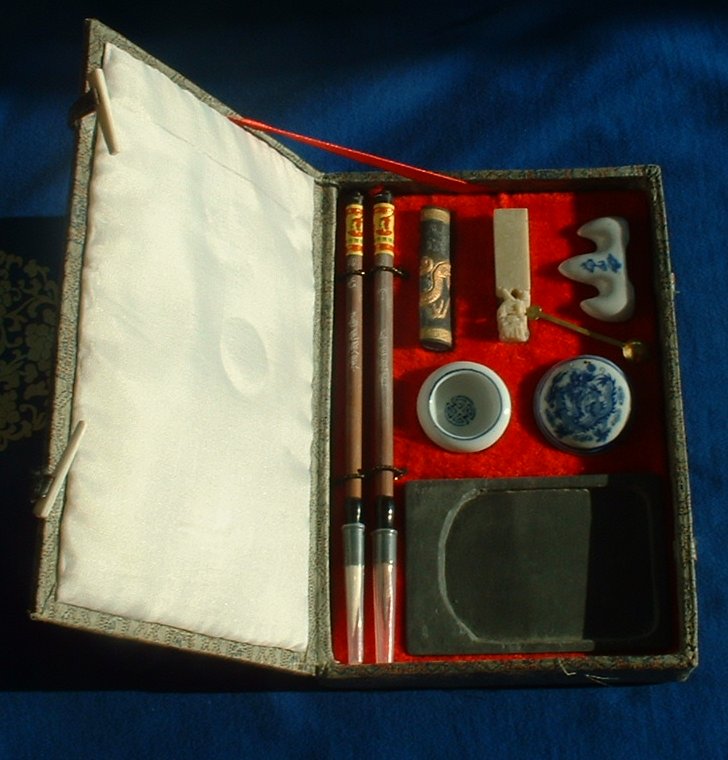
The Four Treasures of the Study, fundamental brush strokes, script styles from Regular to Cursive, and where to practice in Singapore.

A historical and practical survey of Western calligraphy scripts, their distinctive characteristics, and how each one is written.

Singapore occupies a distinctive position in the calligraphy world. Chinese brush calligraphy has been practiced here for generations, passed down through community centres and cultural associations across the island. At the same time, a growing number of studios and independent practitioners have embraced Western scripts, teaching Copperplate, Italic, and modern brush lettering to local enthusiasts.
The result is a diverse lettering scene that spans Chinatown heritage shops selling ink stones and rice paper, to Haji Lane boutiques stocking European dip pen sets. Whether you are interested in the meditative discipline of Chinese Kaishu or the expressive flow of Spencerian script, this island offers both tradition and contemporary energy for the writing arts.
Key aspects of the art worth understanding before picking up a pen or brush.
The interaction between nib, ink, and paper determines line quality. A Nikko G nib on smooth Rhodia paper behaves entirely differently from a wolf-hair brush on absorbent Xuan paper. Matching tools to script style is a fundamental step.
Chinese brush calligraphy typically requires a vertical brush hold with the wrist elevated. Western pointed pen work uses a 45-55 degree angle with the nib resting on the paper. Both traditions emphasize relaxed shoulders and consistent arm movement.
Most calligraphers spend weeks on individual letterforms before attempting full words. In the Chinese tradition, copying the works of historical masters like Wang Xizhi is a standard method of building muscle memory and developing aesthetic sensitivity.